Imaret as Artwork
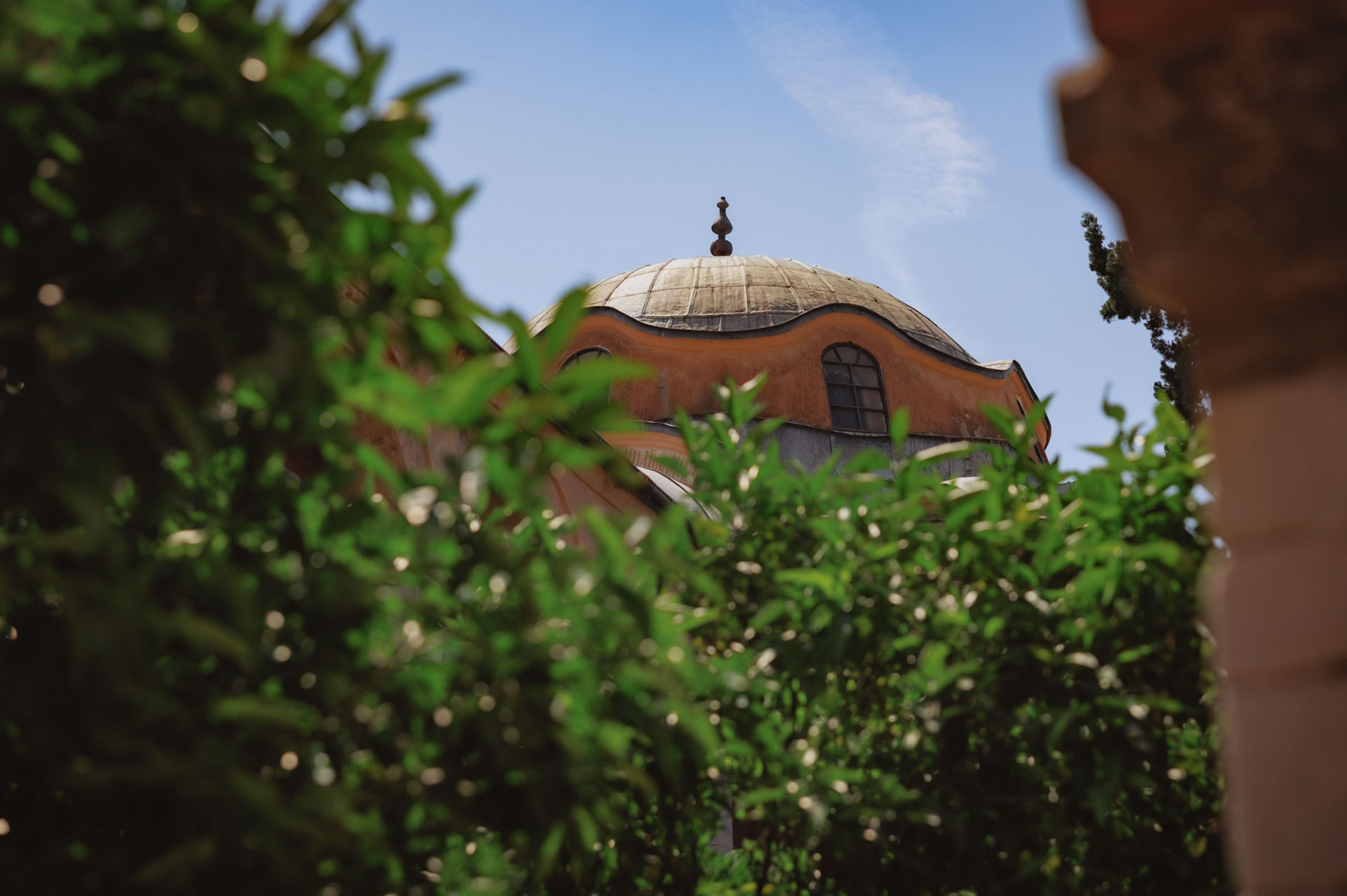
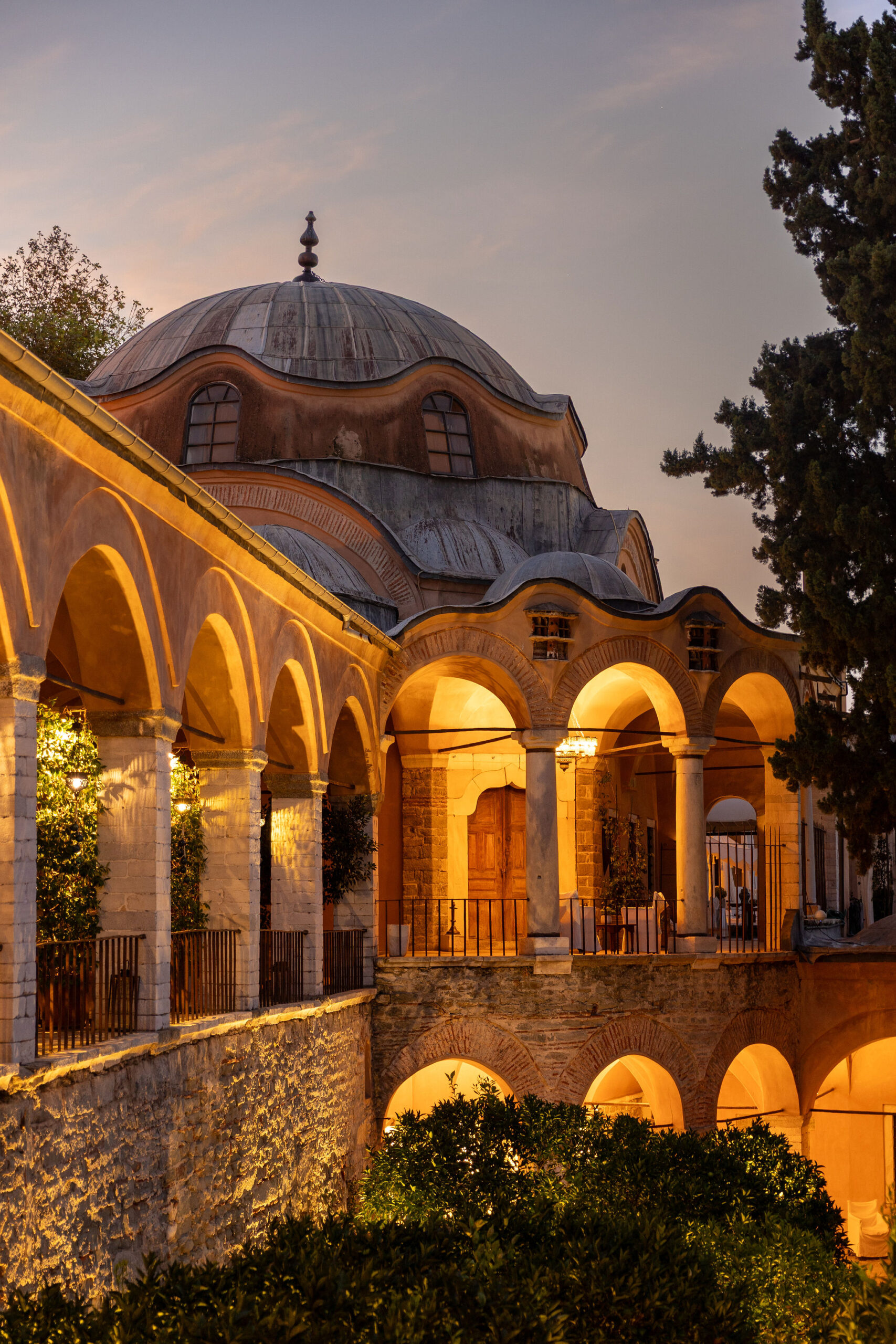
At Imaret, the multilayered history and unique architecture are activated through a pioneering cultural paradigm, transforming the monument into an architectural-scale performative installation.
Imaret emerges as a total work of art that the guests and the artists inhabit.
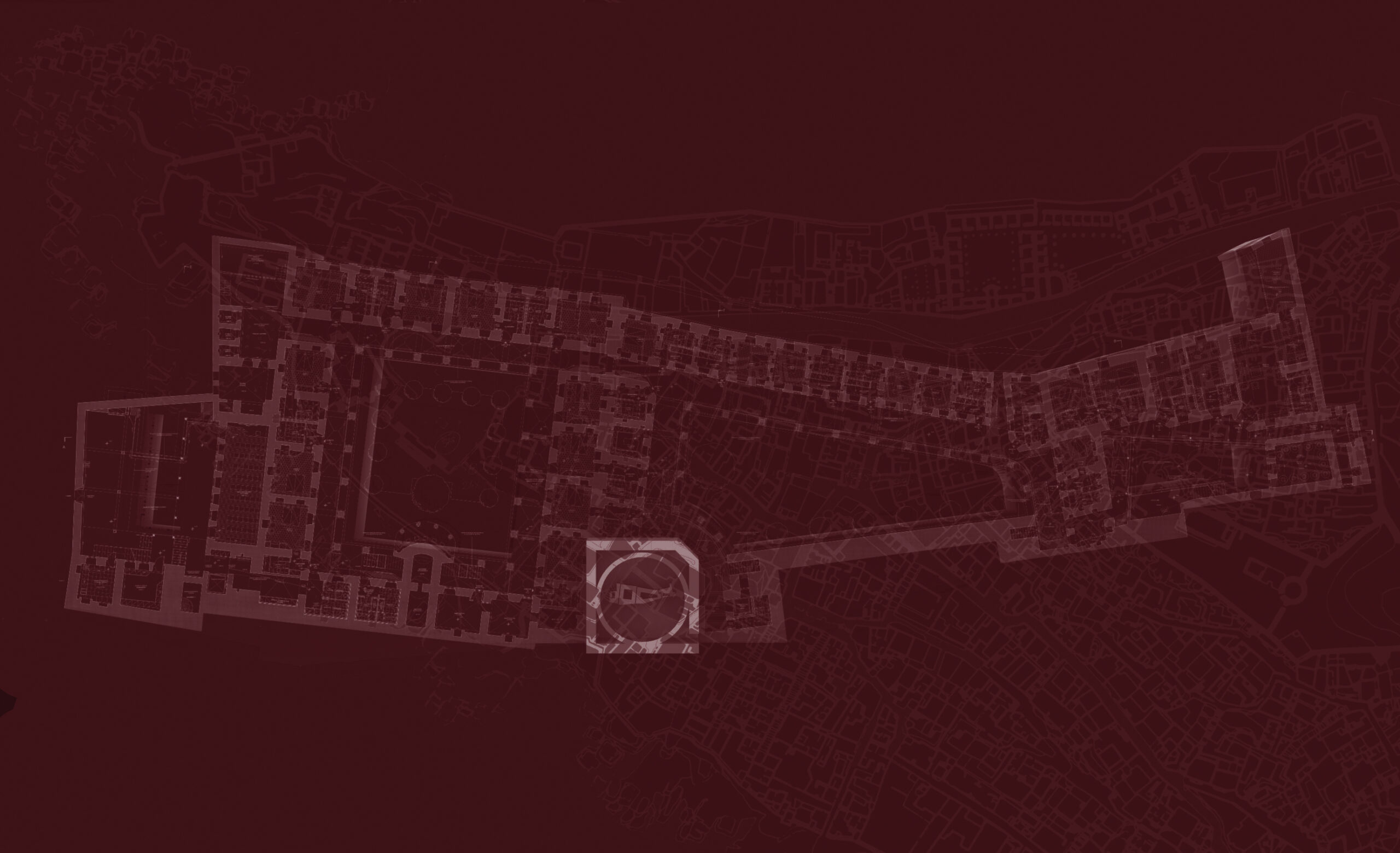
Imaret as an architectural-scale performative installation
IMARET: An Architectural Scale Performative Installation
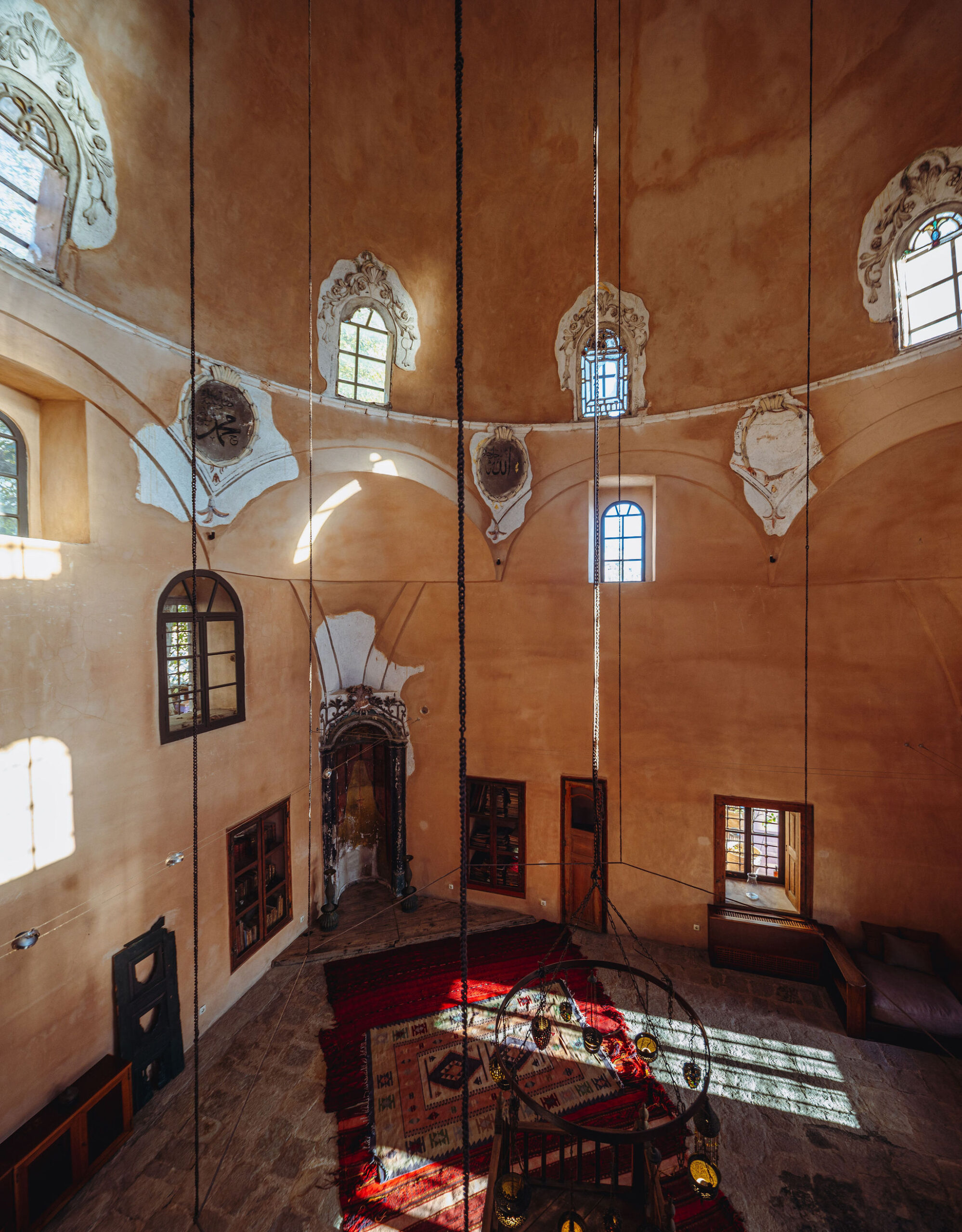
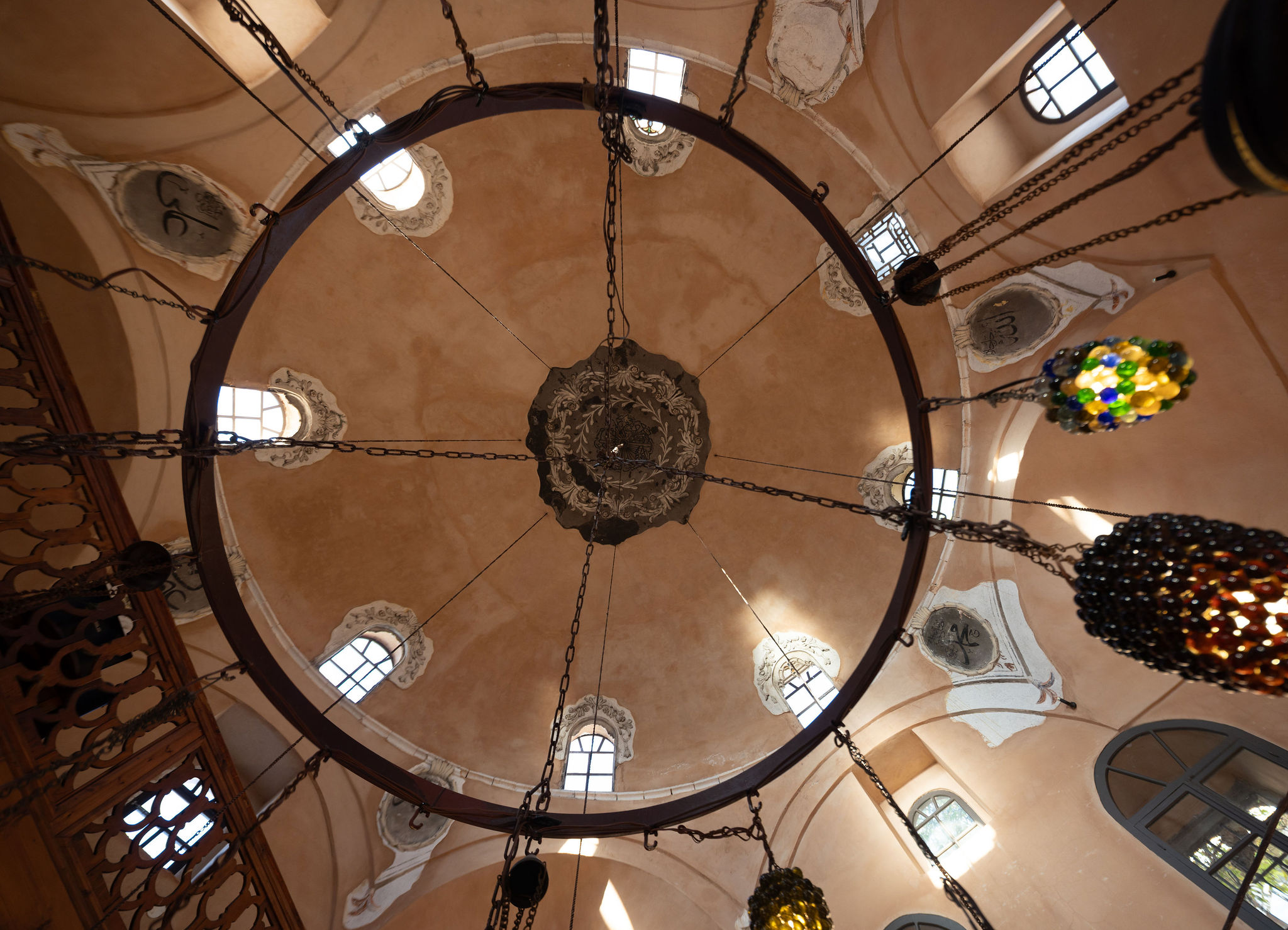
Suspended in the center of the Imaret’s prayer hall lies a deconstructed architectural model of the monument itself. If, in architectural theory, the model traditionally constitutes a “promise” for the future—a scaled utopia awaiting its realization—here, both temporality and purpose are inverted.
The work functions as a mechanism for the compression of space and time. The viewer’s entry into the model’s interior requires a performative gesture of bowing, alluding to a ritual entry into a sacred space. This “micro-choreography” constitutes an act of initiation. By penetrating the shell, the subject sheds the status of a mere observer and assumes the role of a participant within a dual-natured space.
Through this deliberate deconstruction, the model ceases to be a closed universe and transforms into an optical filter, a viewing frame that re-contextualizes the environment. The soundscape, combined with light and optical fragments, maps a path that transcends linear narrative, becoming a navigator of memory.
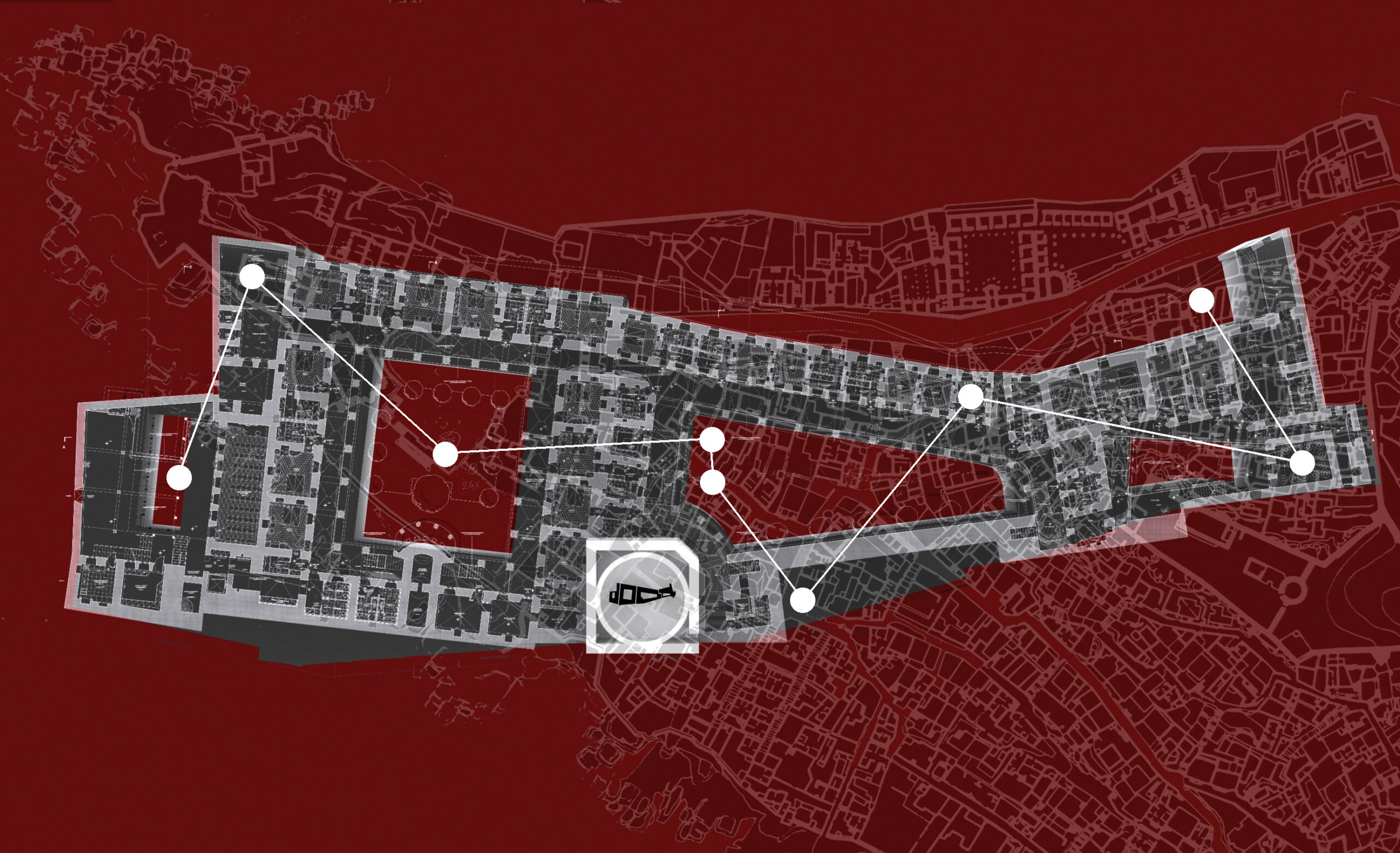
The installation in the prayer hall functions as the neural core—the brain and heart of the project. It is interconnected with a series of artistic gestures that diffuse throughout the Imaret, weaving the sonic narrative of the central piece into the surrounding physical space. This transforms the historic monument into a unified, architectural-scale performative installation.
The model is not merely a time-displaced representation, but the key that reveals the unseen aspects and the “hidden rooms” of the Imaret’s memory.
Curatorial Statement
IMARET constitutes an active Heterotopia: a place existing parallel to reality, obeying its own internal logic. We do not merely seek a dialogue between art, architecture, and history, but the activation of an Experiential Heterochrony.
Through site- and context-specific artistic interventions, we disrupt the linearity of time, bridging the historical past with the dynamic present. We transform the visitor from a spectator into an inhabitant of a ‘behavioral space’ (after Richard Serra), where physical presence is transmuted into an experience of movement, perception, and self-awareness within a performative environment.
Our goal is to transform the monument from a static shell into a productive mechanism, a Foucauldian apparatus (Dispositif). A living network of relationships and knowledge, a human-centric performative installation of architectural scale that does not simply narrate history, but ‘re-inscribes’ it in the present.
Christos Savvidis
Artistic Director of
IMARET Project
The Team
Artistic director
Christos Savvidis (ArtBOX.gr)
Creative team
Efie Halyvopoulou
Myrto Kiourti
Anna Sbokou
Tim Ward
Artist-in-Residence
Artist-in-Residence program
The primary objective of the Imaret Artist-in-Residence program is to foster a creative dialogue between contemporary artistic practice and the monument’s multilayered history.
The Imaret Artist-in-Residence program invites contemporary creators -visual artists, architects, designers, historians, art curators, Writers, Poets, and researchers- to inhabit the historic monument, fostering a dialogue between the past and the present.
The program is designed to support site-specific research and interdisciplinary collaboration, where the architecture and memory of Imaret become catalysts for new artistic narratives.
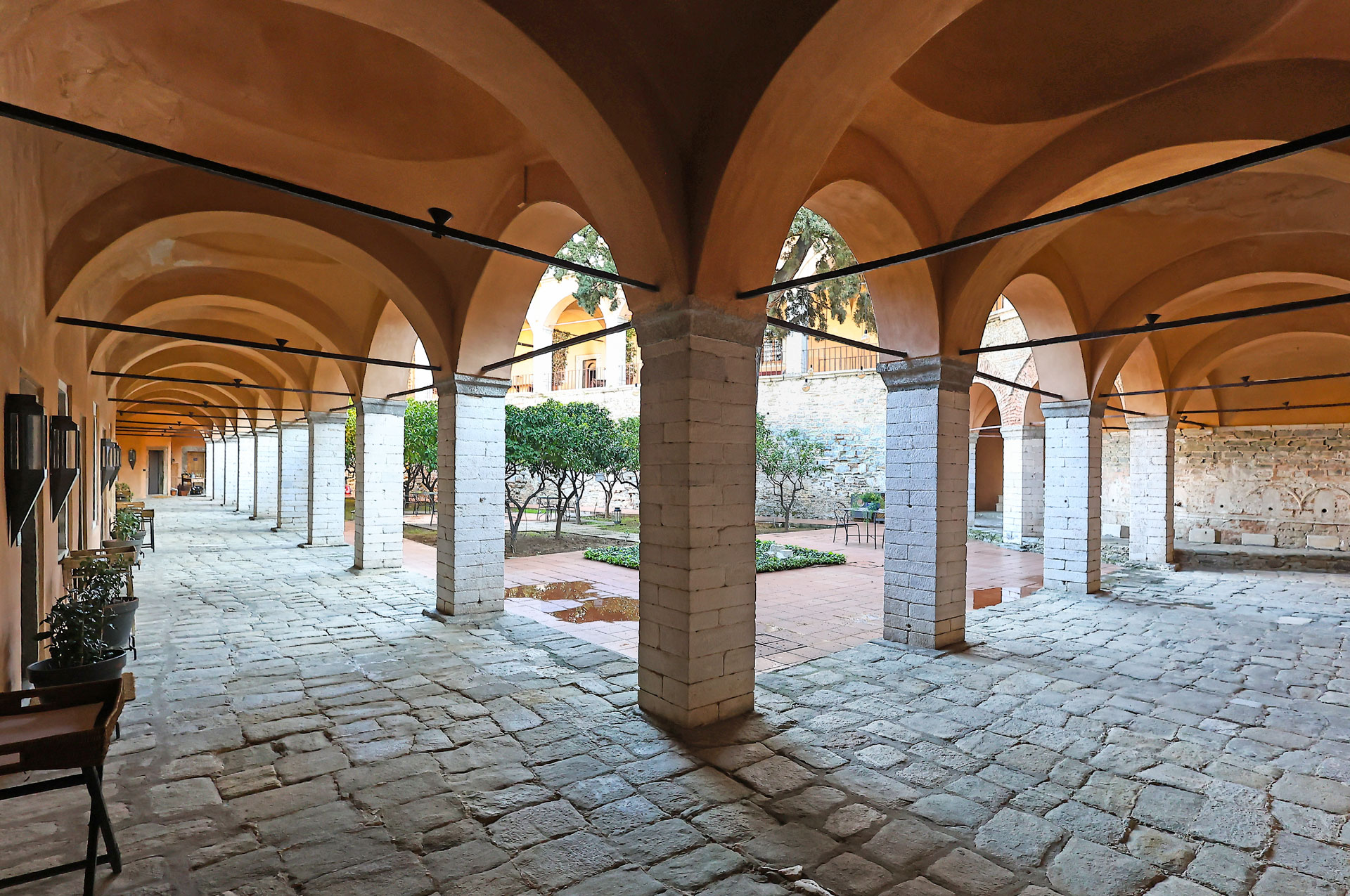
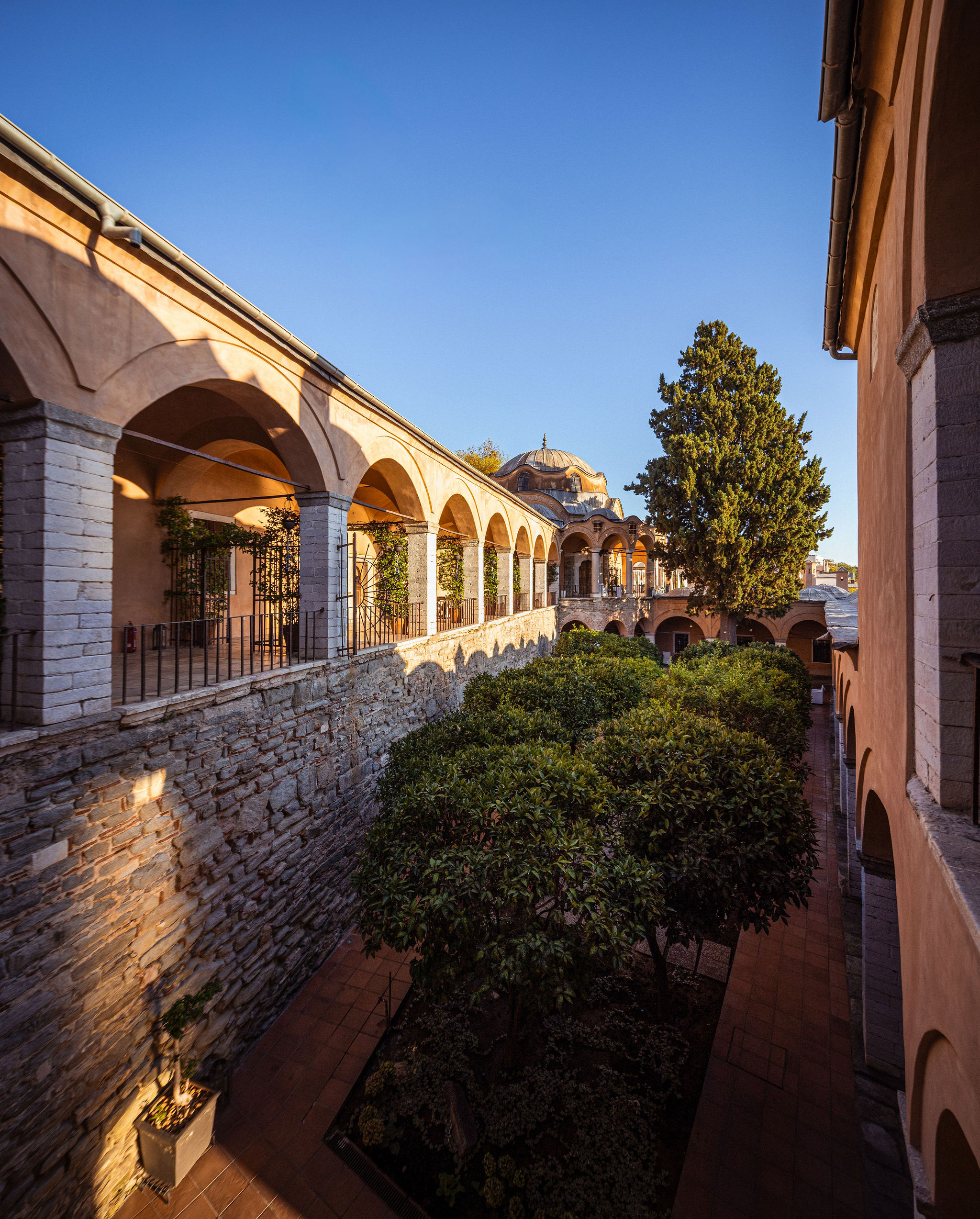
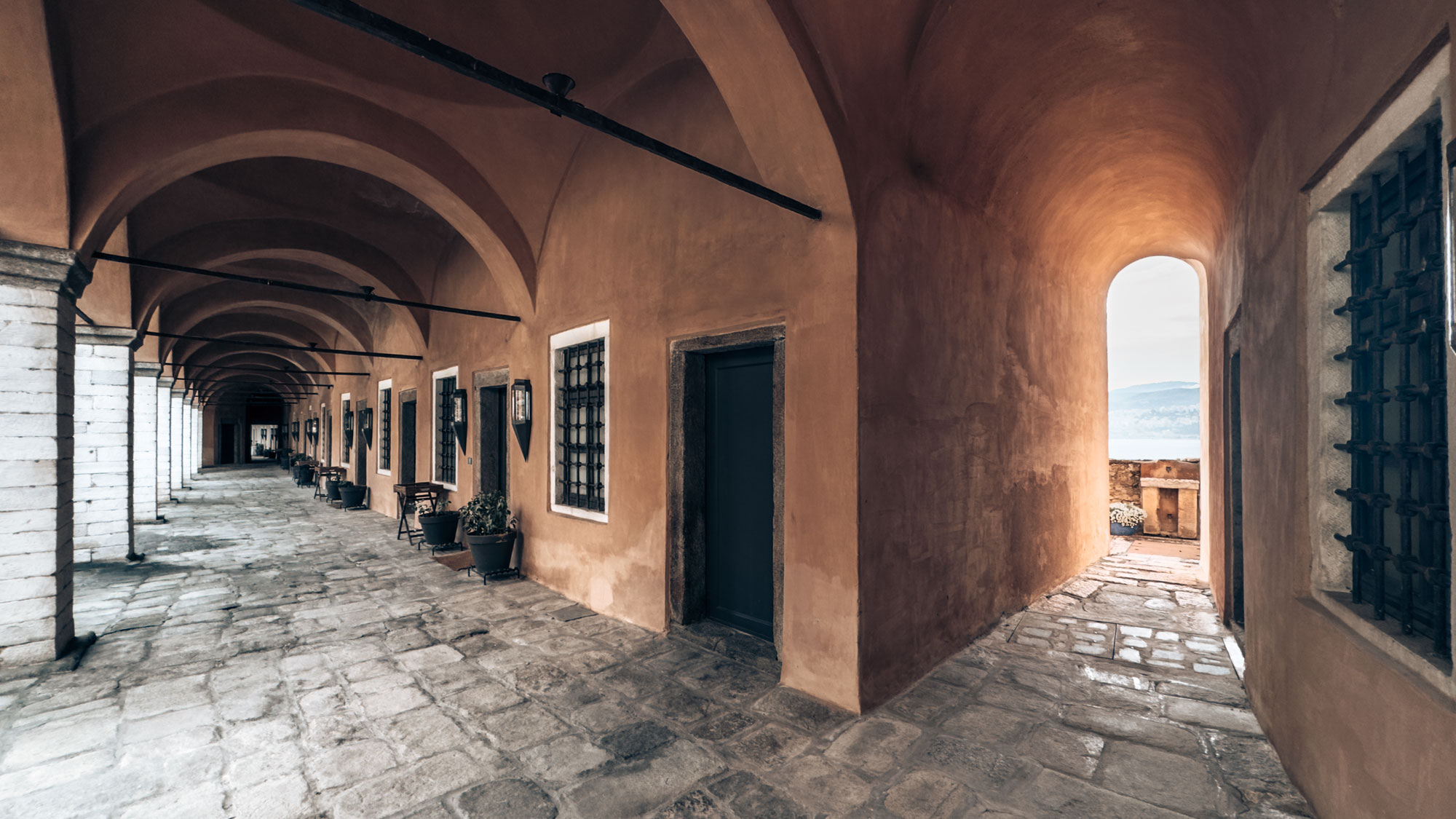
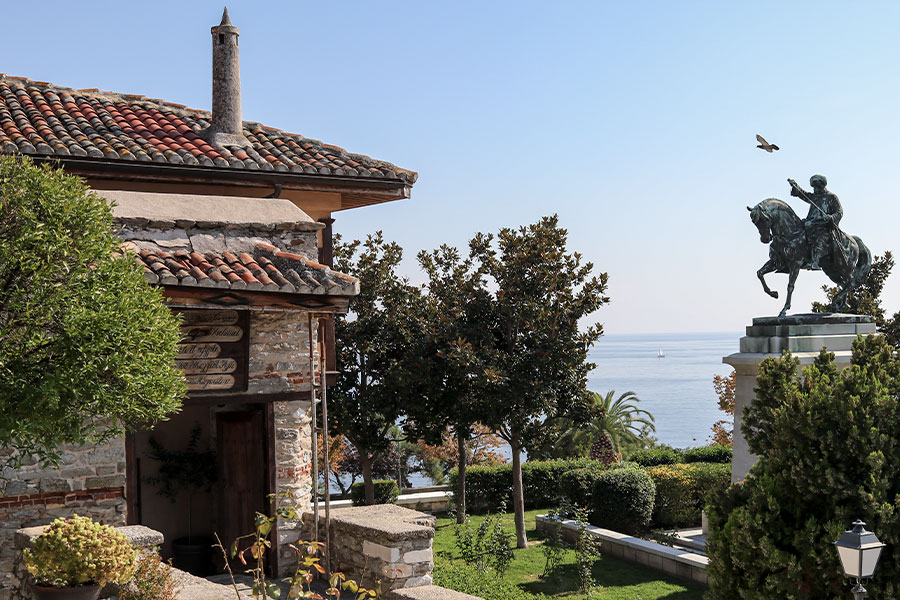
Participants are accommodated in five rooms situated within Imaret’s large triangular courtyard, overlooking the port of Kavala. Additionally, they have access to a shared workspace that functions not only as a studio but also as a communal hub for interaction and collaboration. During the extensive warm season of Greece, the garden serves as an open-air studio, extending the workspace outdoors.
© 2025 Imaret