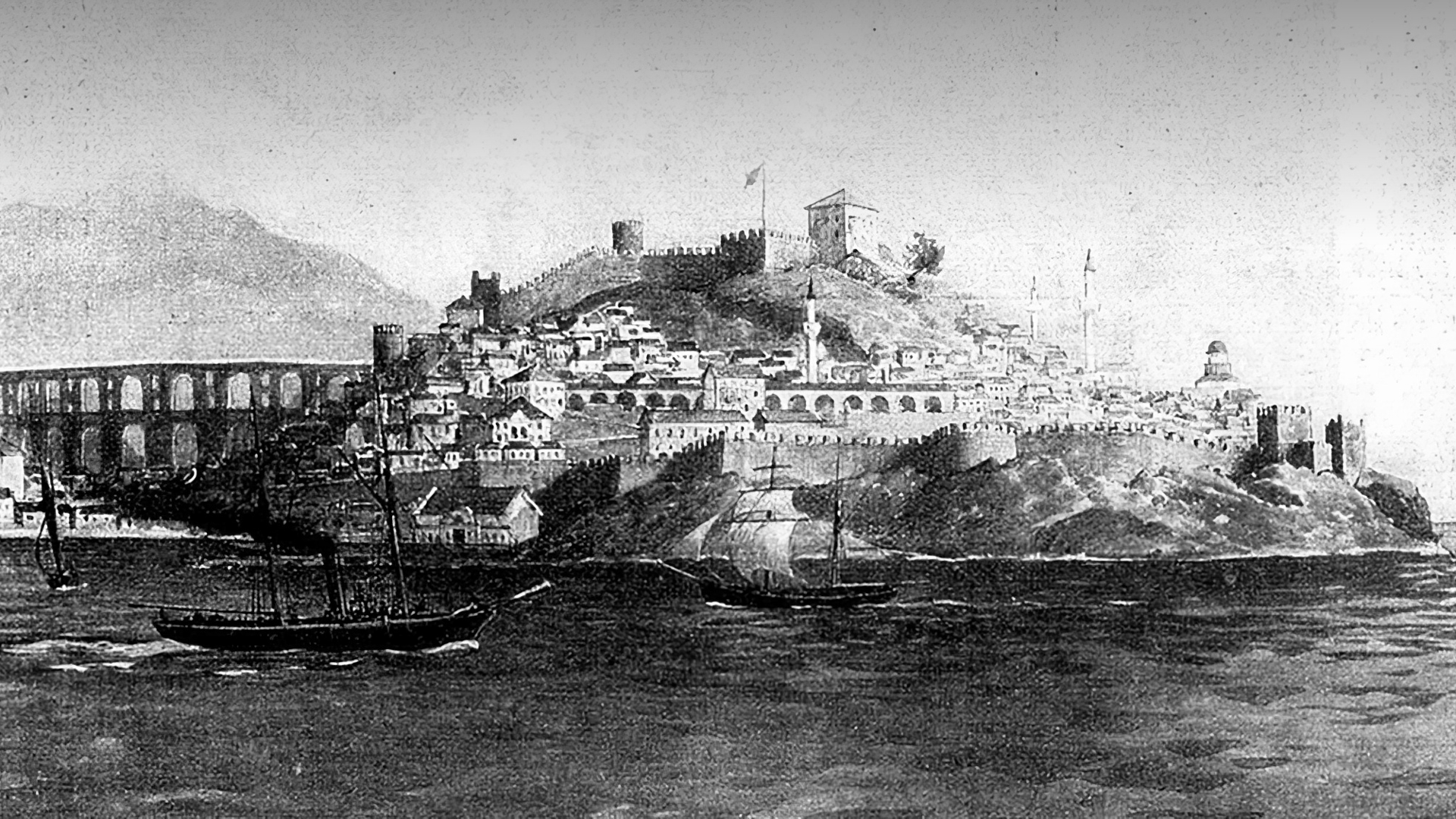
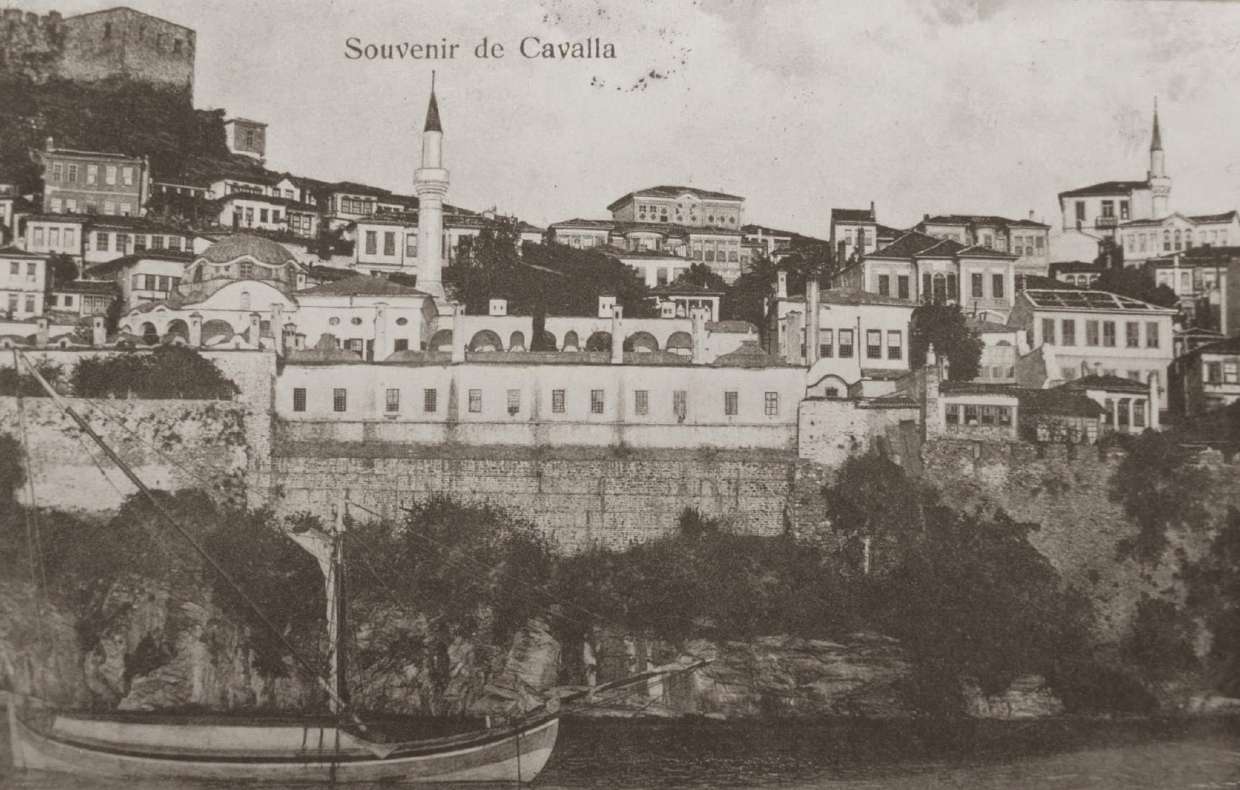
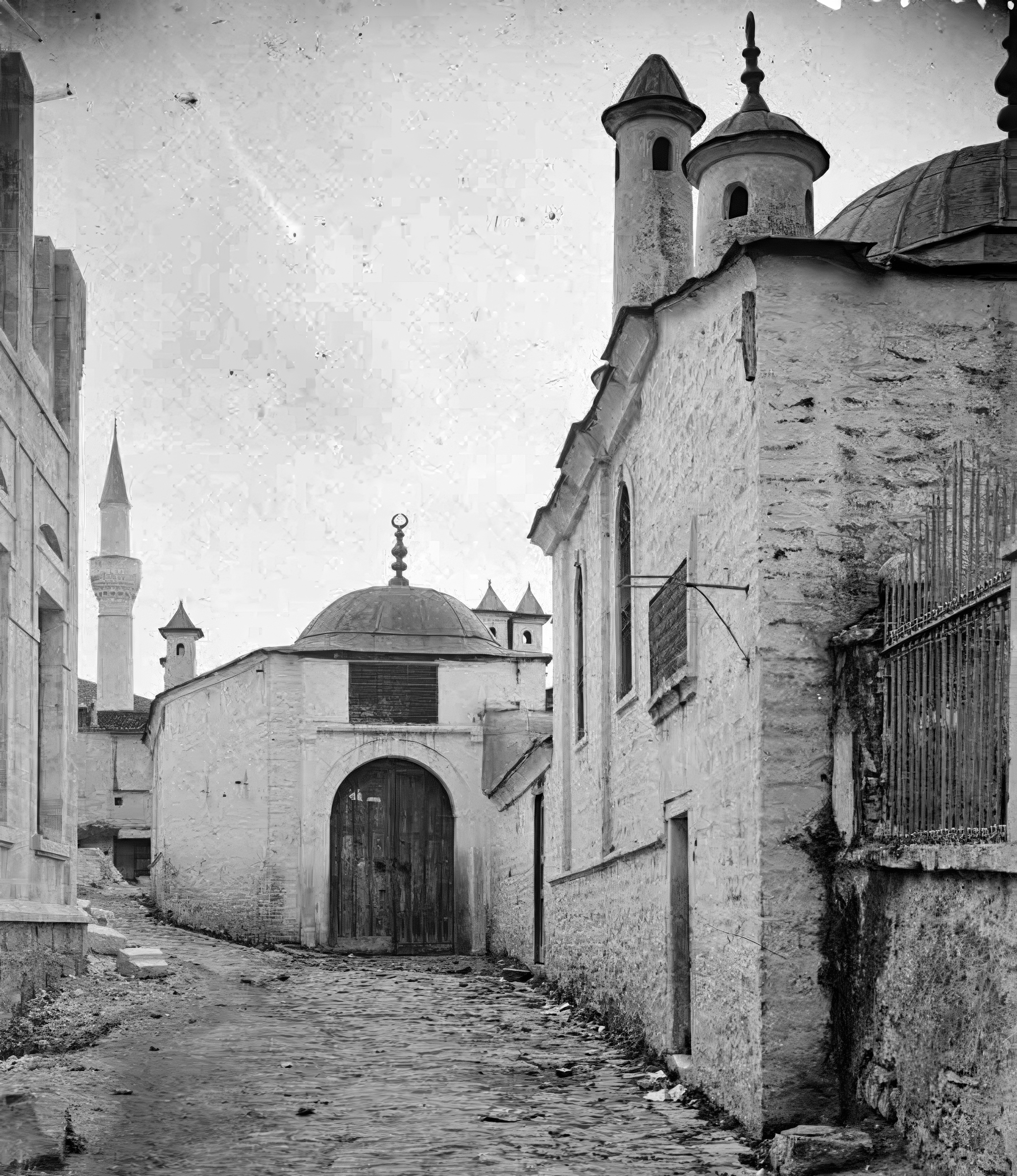
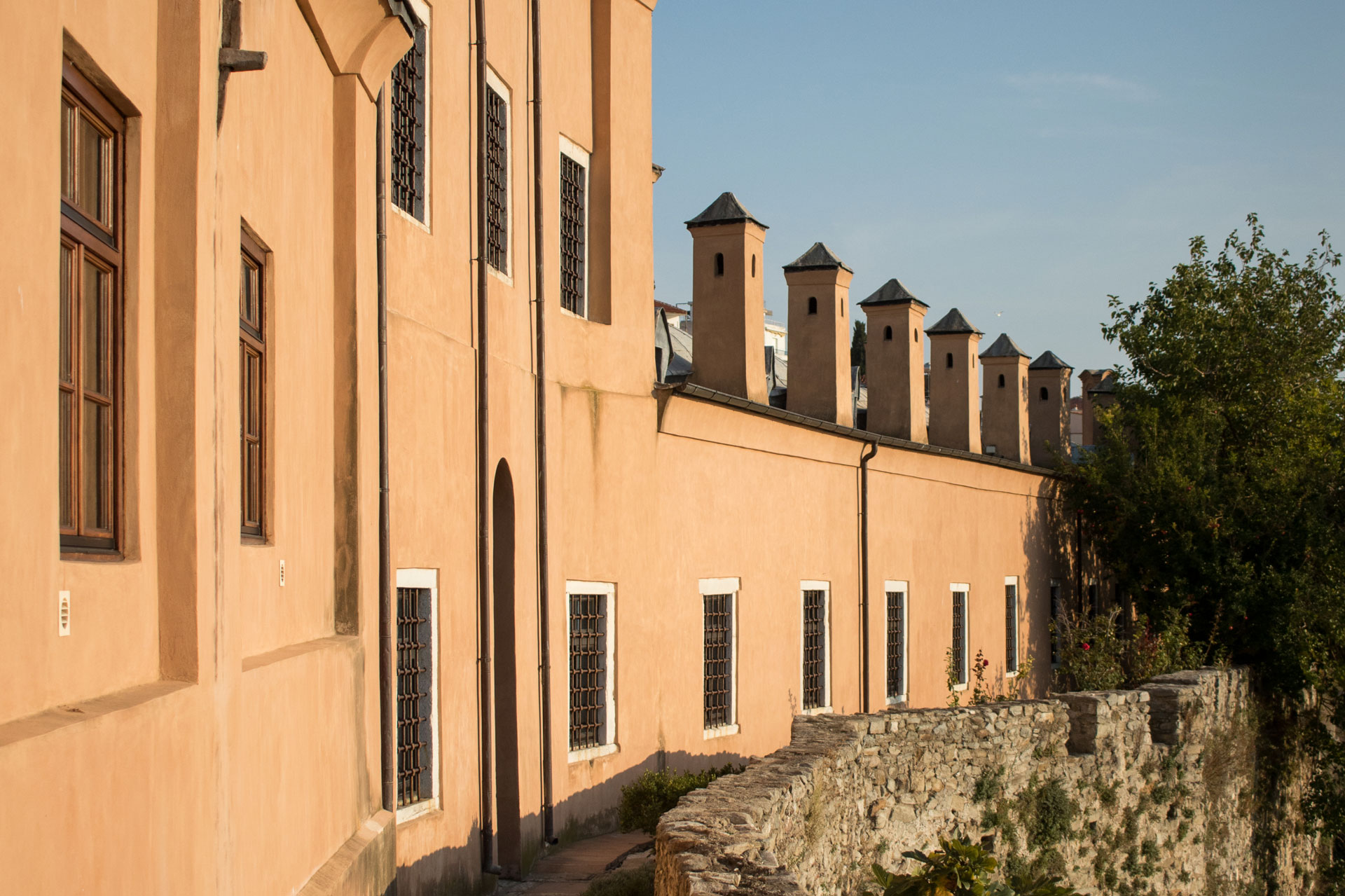
Once a king’s school and a refuge for travellers, built on the site of an ancient Greek temple, Imaret was commissioned in 1813 by Mohammed Ali Pasha, founder of modern Egypt, as a gift to his birthplace, Kavala.
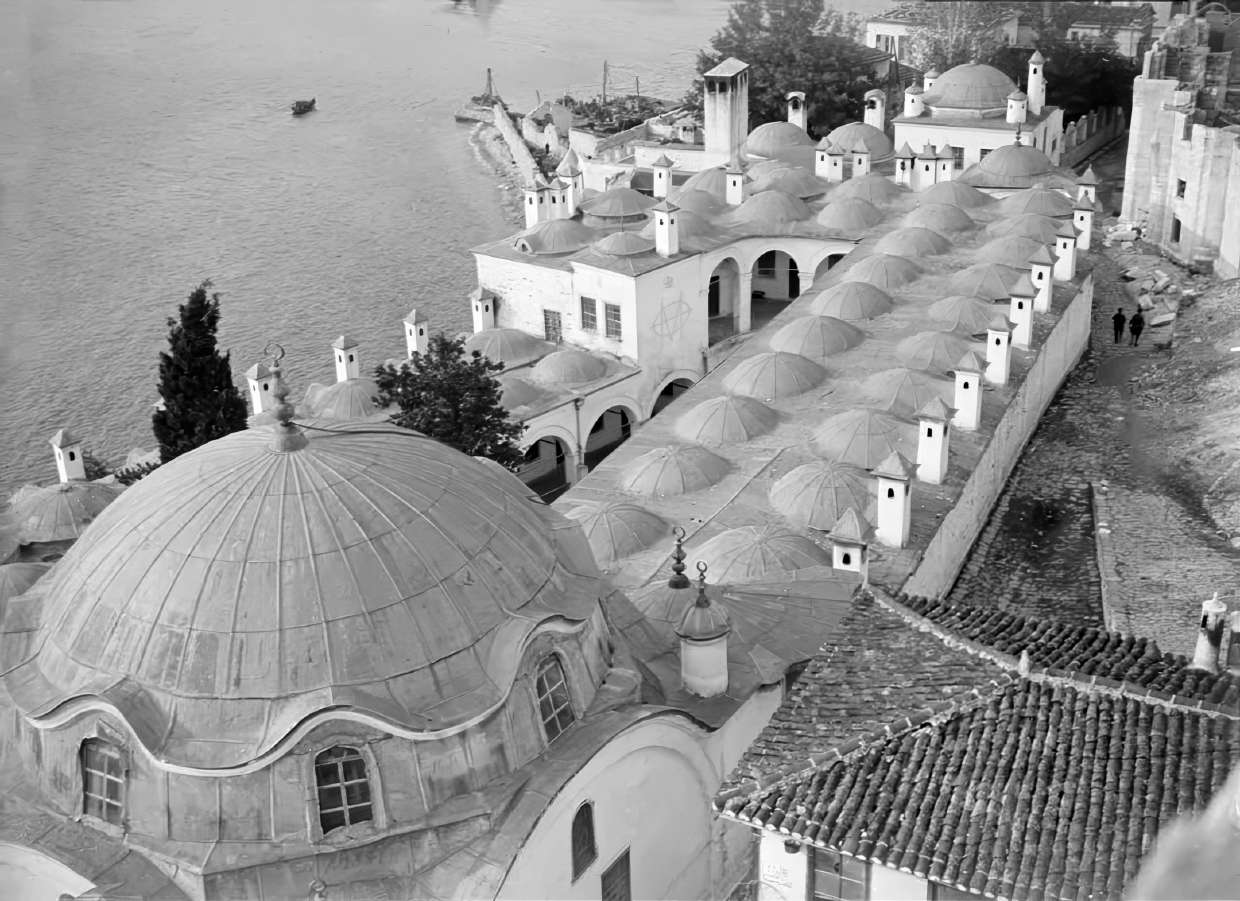
Conceived as a charitable and religious complex, it brought together schools, a library of rare holdings established by his order, students’ cells, fountains, kitchens, and gardens within a single, carefully ordered ensemble.
From its inception, the establishment was designed to unite learning and sustenance, knowledge and care.
Its colleges offered both classical education and modern sciences, constituting one of the earliest expressions of a Western-style technical school within the Ottoman world.
Architecture
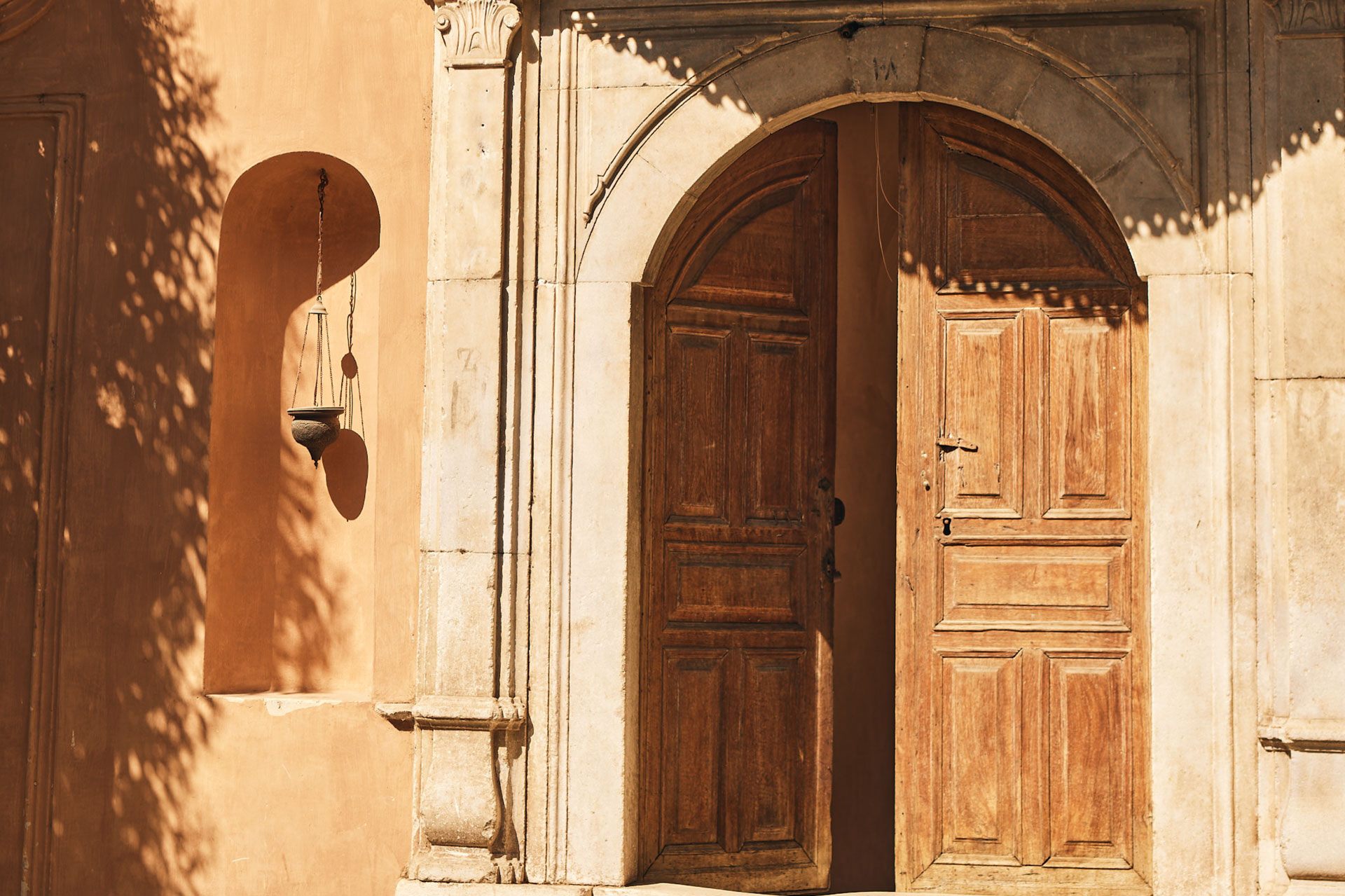
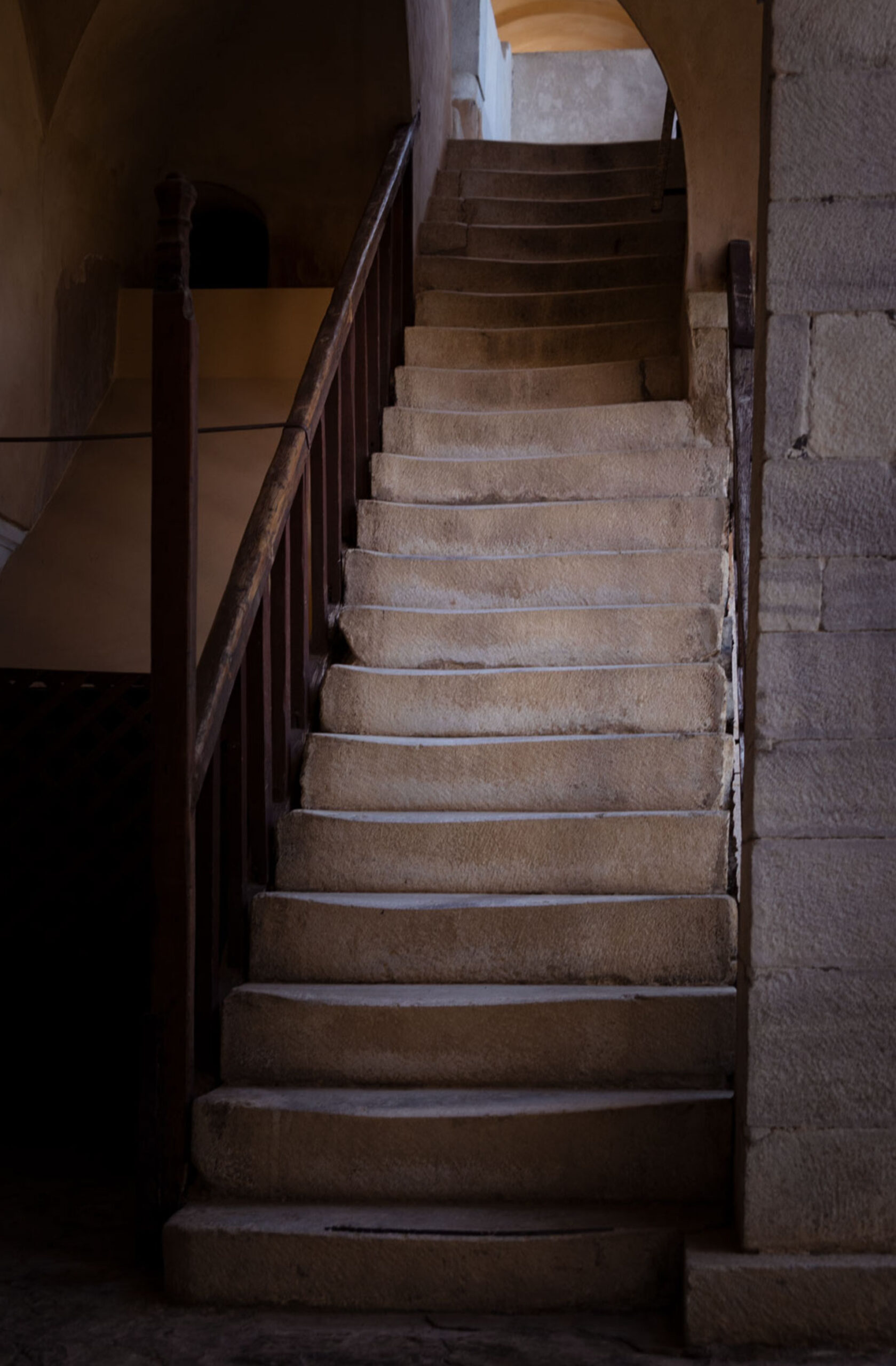
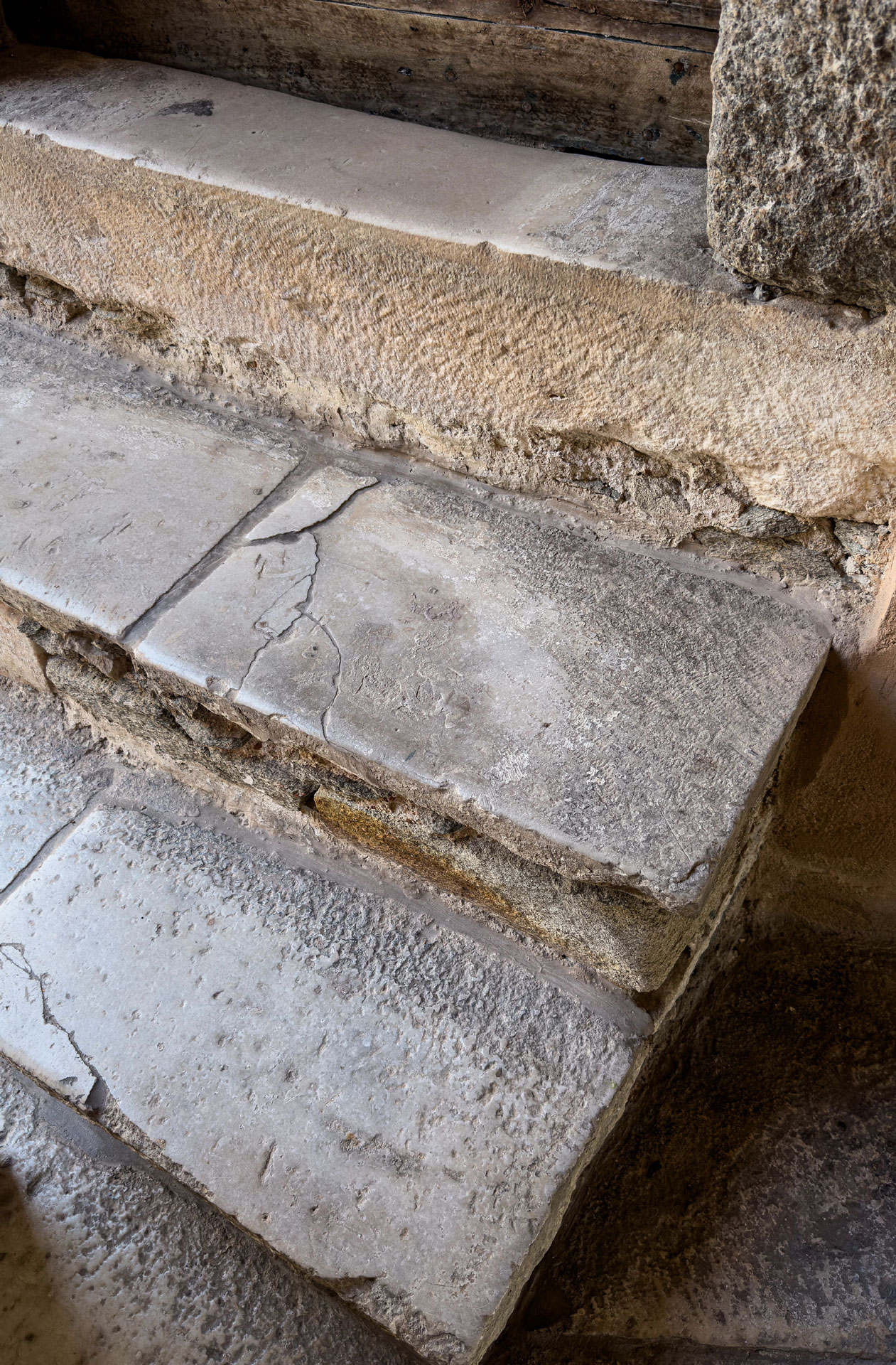
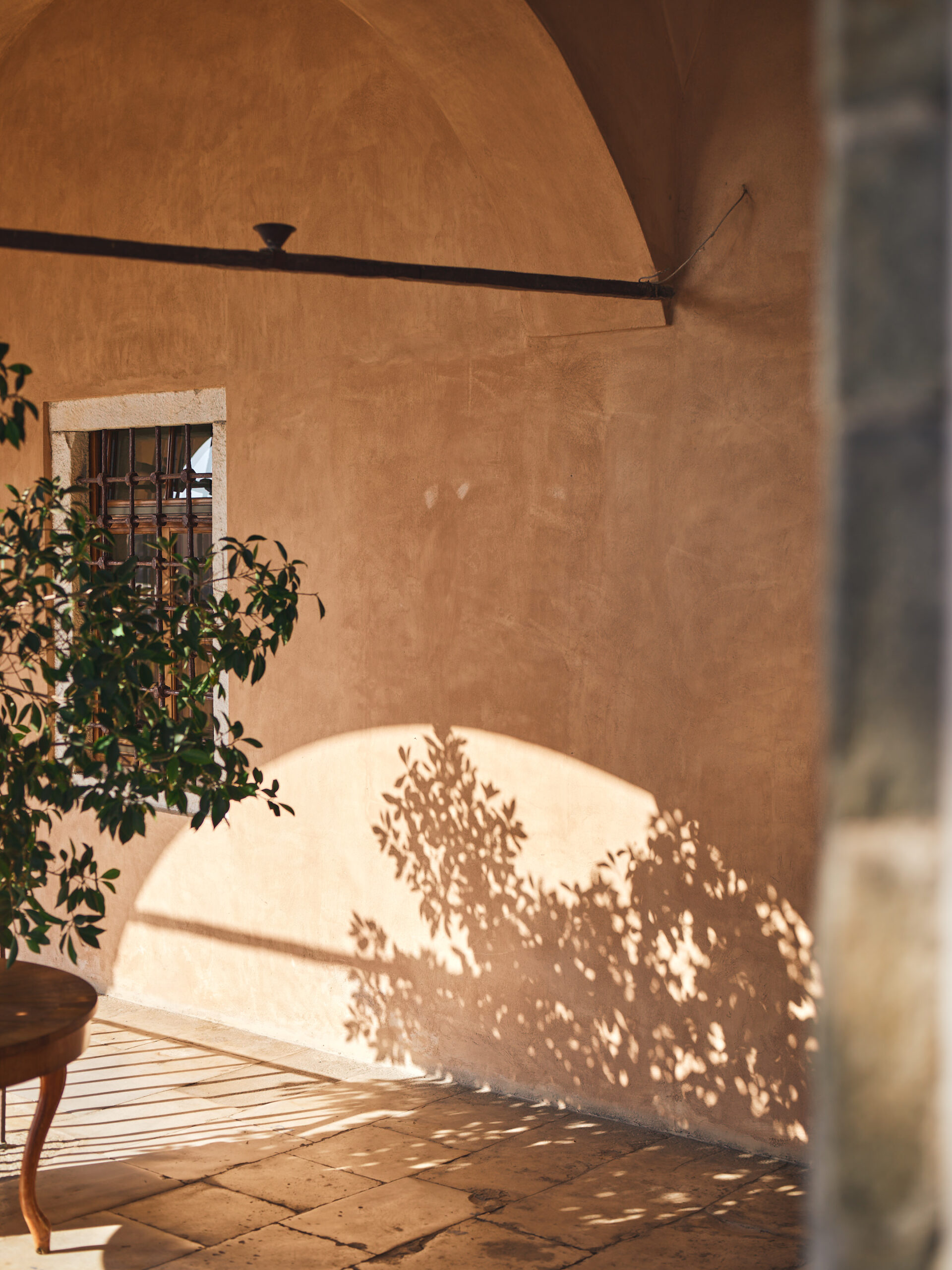
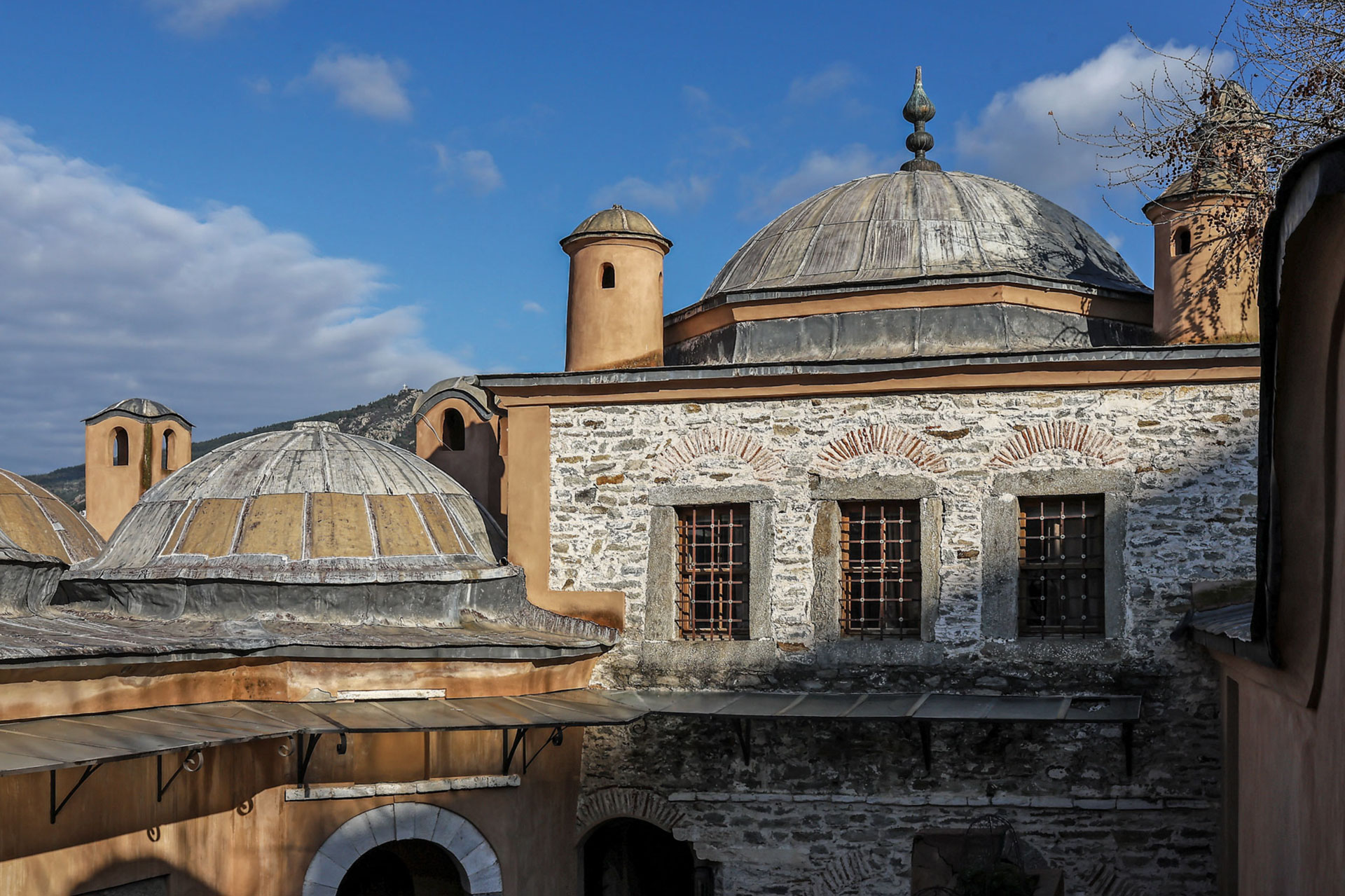
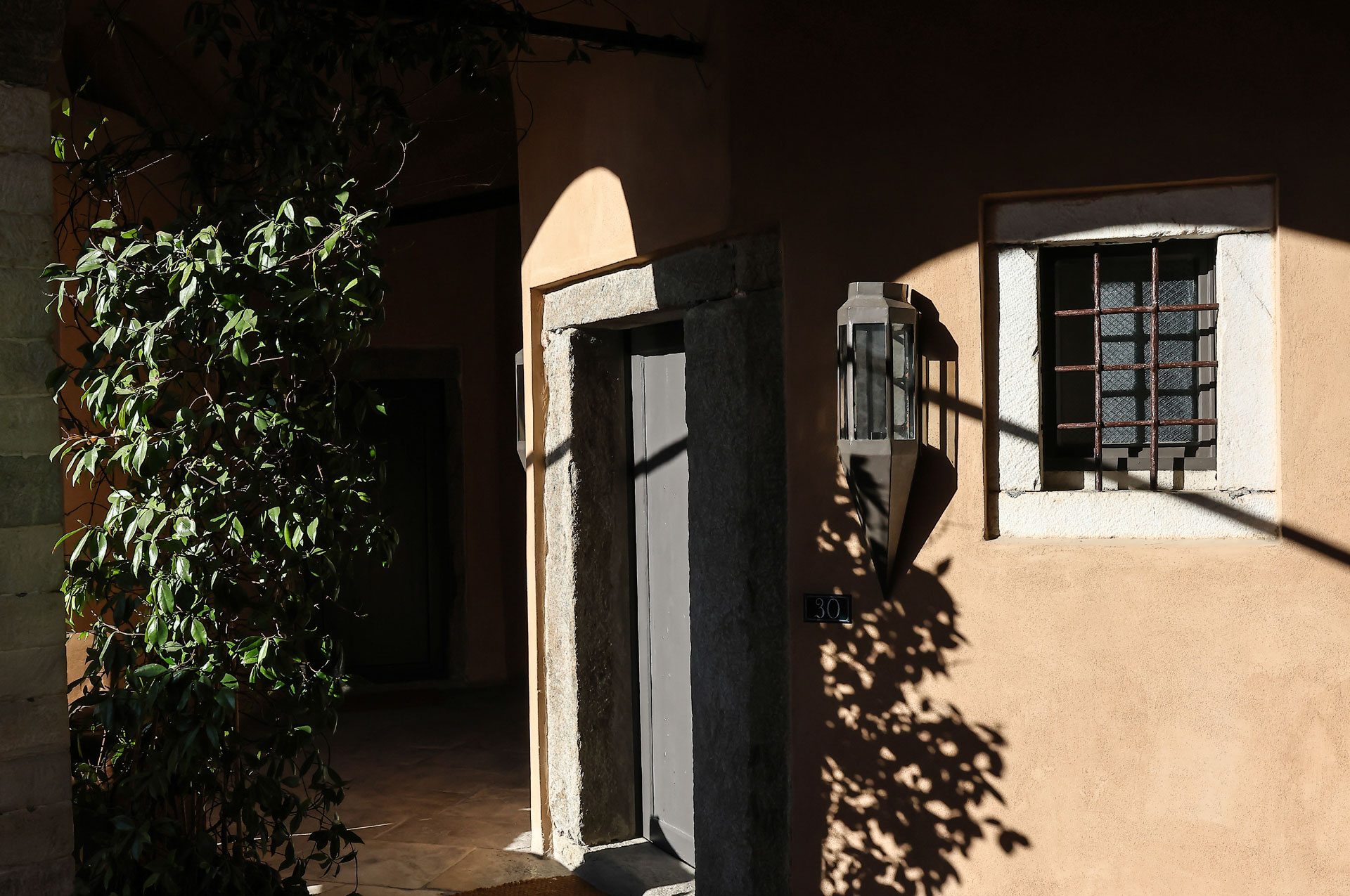
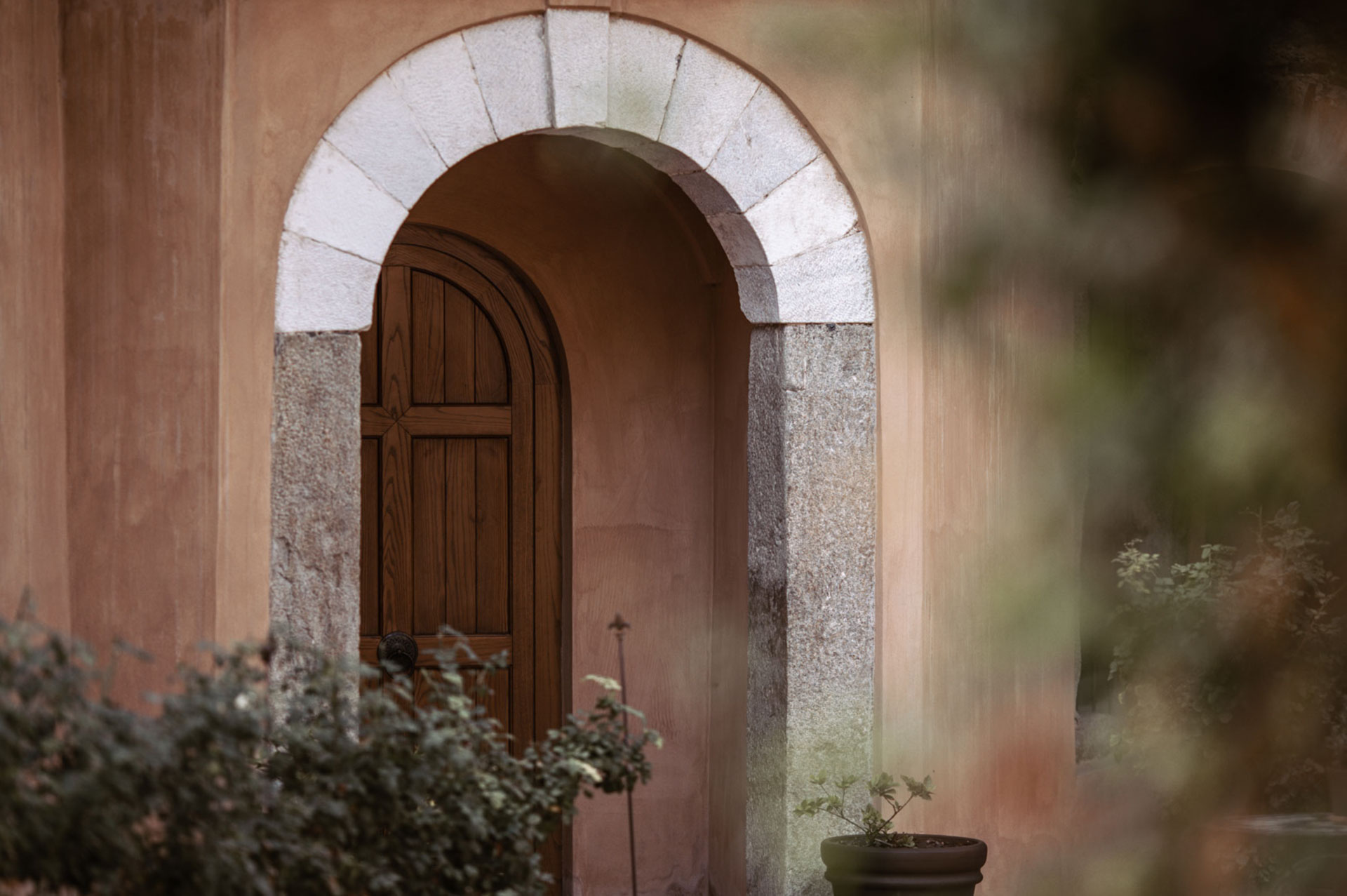
The monument’s domed spaces open onto courtyards and enclosed gardens, connected by stairways, arcades, and vaulted halls that regulate movement, light, and airflow.
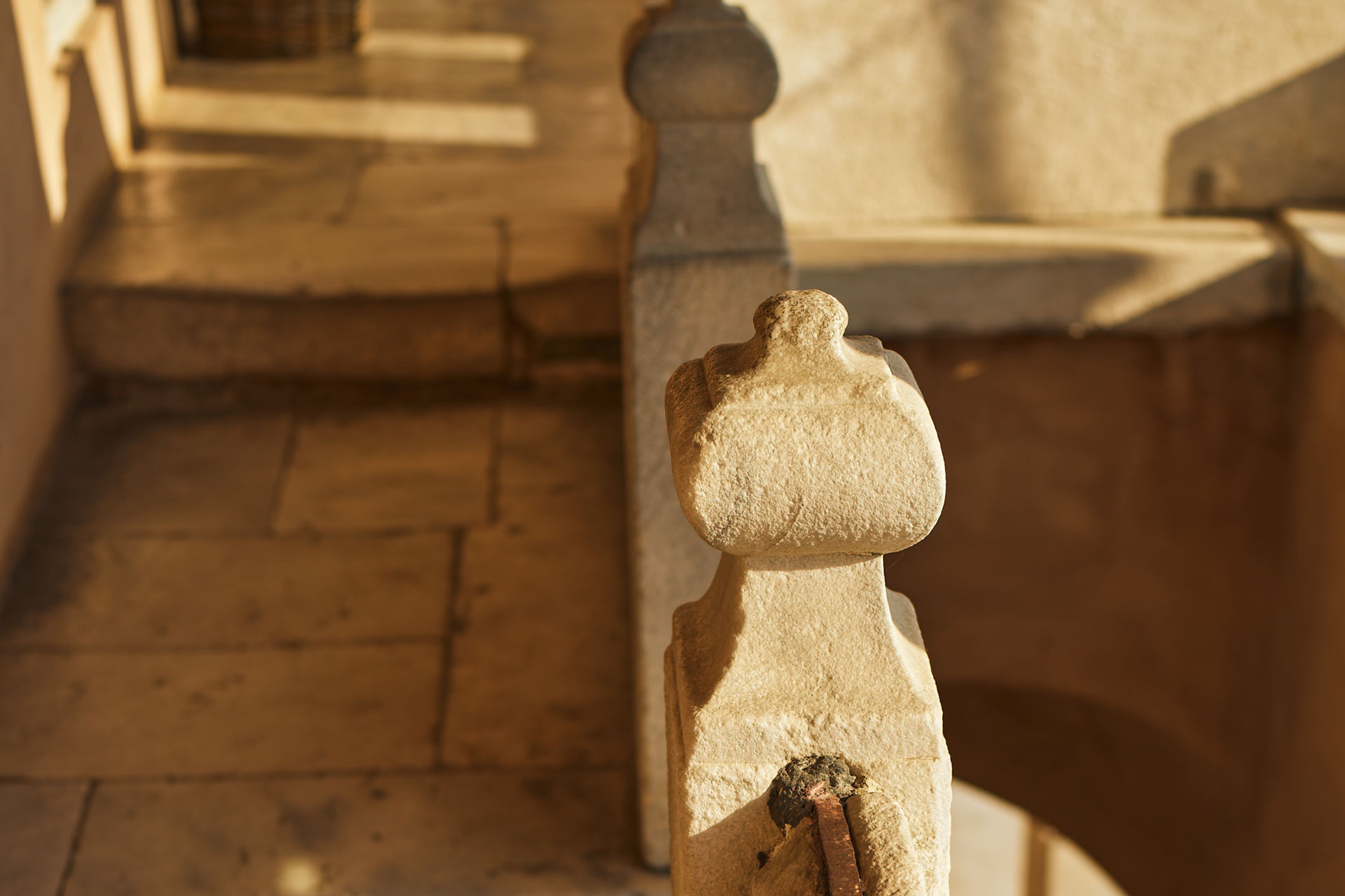
Architecture here is inseparable from function: proportion governs circulation, and enclosure establishes a measured rhythm through which the structure operates as a unified whole.
Every element serves a purpose; form consistently follows use. Arcades and gardens play a central structural role.
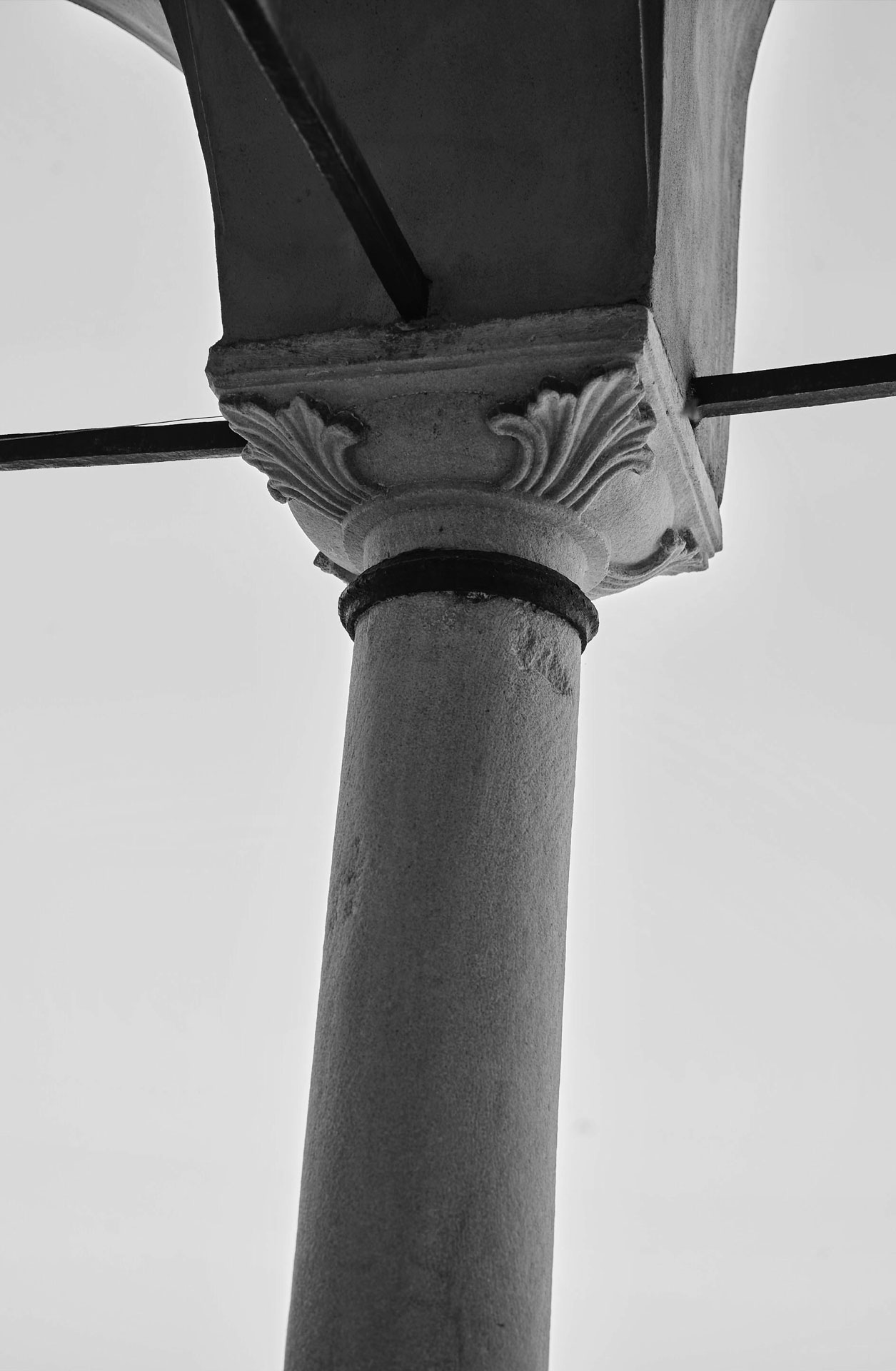
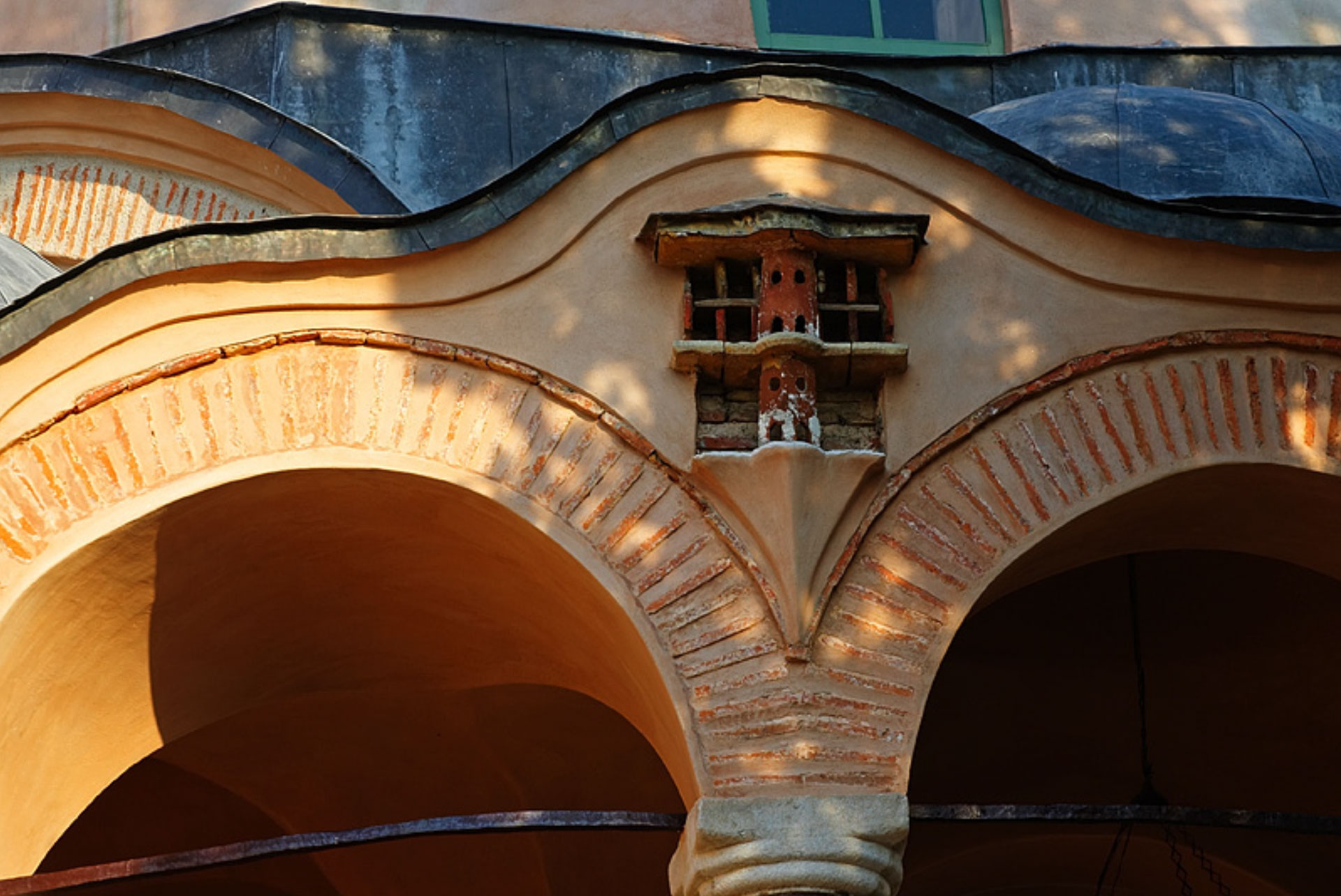
In both Byzantine and Islamic architectural traditions, these elements mediate between built space and nature, providing shade, ventilation, and a gradual transition between interior and exterior.
At Imaret, the arcades connect the wings of the complex, while the gardens remain enclosed, ordered spaces structured by geometry, water, and vegetation.
Although centuries have passed, the monument has not been displaced from its original logic.
Its architectural and ethical framework remains intact, allowing the complex to continue functioning as a place shaped by order, proportion, and care.
Imaret endures not as a backdrop or a relic, but as a living discipline—composed, precise, and human.